



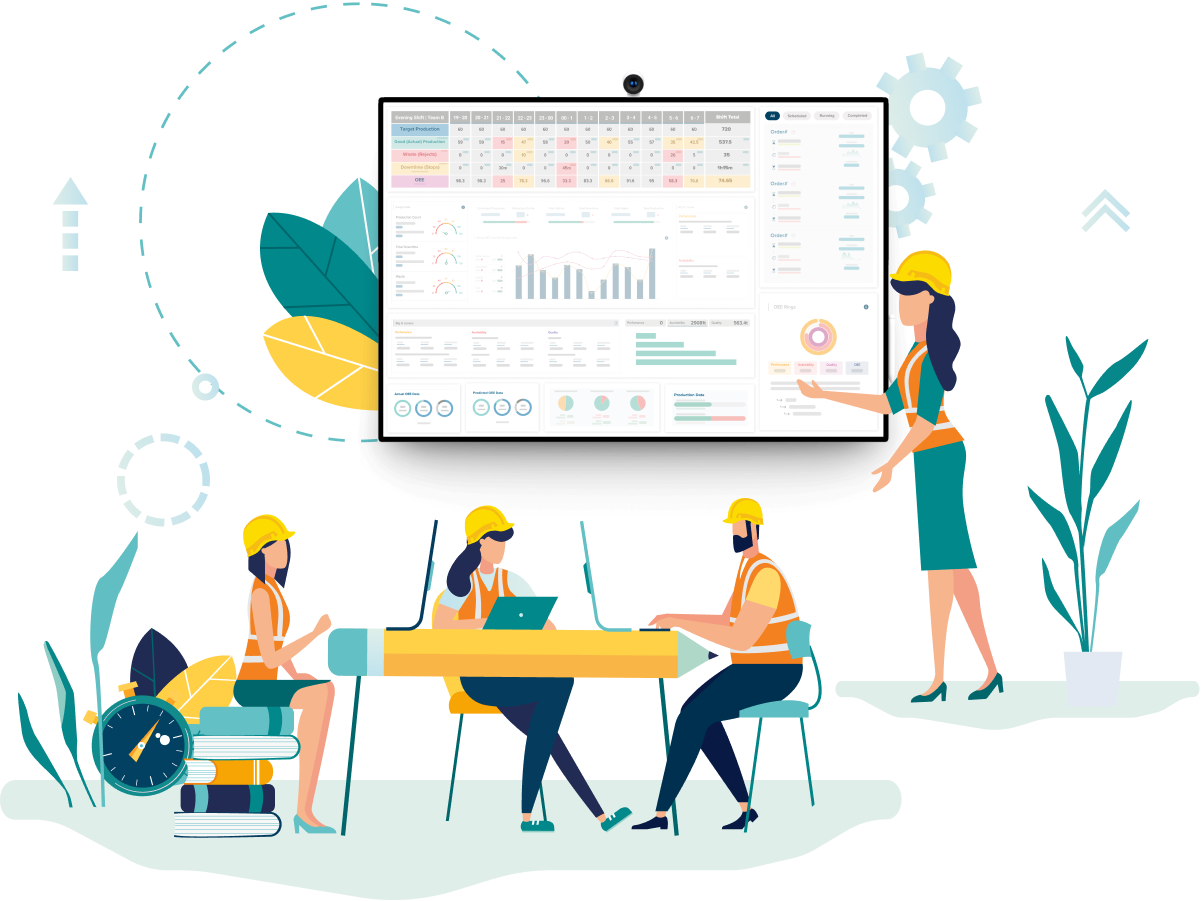
Traditional Capacity Planning
Traditional capacity planning is time-consuming. In order to perform traditional capacity planning, you need to gather a lot of data that isn't always available and then use it to create a forecast for your production system. This process can take weeks or even months depending on the size and complexity of your organization's operations.
Traditional capacity planning is inaccurate. Traditional approaches often rely on historical data from previous years rather than real-time information about current production levels, which means that they may not accurately reflect what's happening at any given moment--and therefore won't help you make good decisions about how much inventory or production resources are needed next week or next month (or even tomorrow).
Traditional approaches aren't data-driven: They rely too heavily on intuition instead of facts when making predictions about future demand levels; this can lead them down the wrong path when trying something new like adding new products or services into their offerings because they won't know whether those changes will actually increase sales until after they've already begun making them.
Modern MES for Capacity Planning
Capacity planning is the process of making sure your production line can meet customer demand. It's an important part of operational management and one that you'll want to get right, because it can make or break your business.
Traditionally, capacity planning has involved manual work and spreadsheets--not exactly efficient or scalable! Modern Manufacturing Execution Systems (MES) now make it possible for operations managers to use data-driven analytics tools to plan their production more effectively than ever before.
What is the Role of a Modern MES in Capacity Planning?
A modern MES is a software system that helps operations managers optimize production performance, minimize downtime and make data-driven decisions. It helps them to improve production efficiency and achieve higher product quality.
In order to understand how the Modern MES can help you with your capacity planning efforts, let's take a look at some of the most important benefits it provides:
- Improved visibility into your equipment availability- This means you'll always know which machines are working well and which ones need maintenance work done on them before they break down completely (which saves money).
- Automated scheduling based on demand- You can set up rules for when certain jobs should be run so that everything runs smoothly without having too much excess inventory sitting around in storage rooms waiting for its turn in line at the factory floor (which saves time).
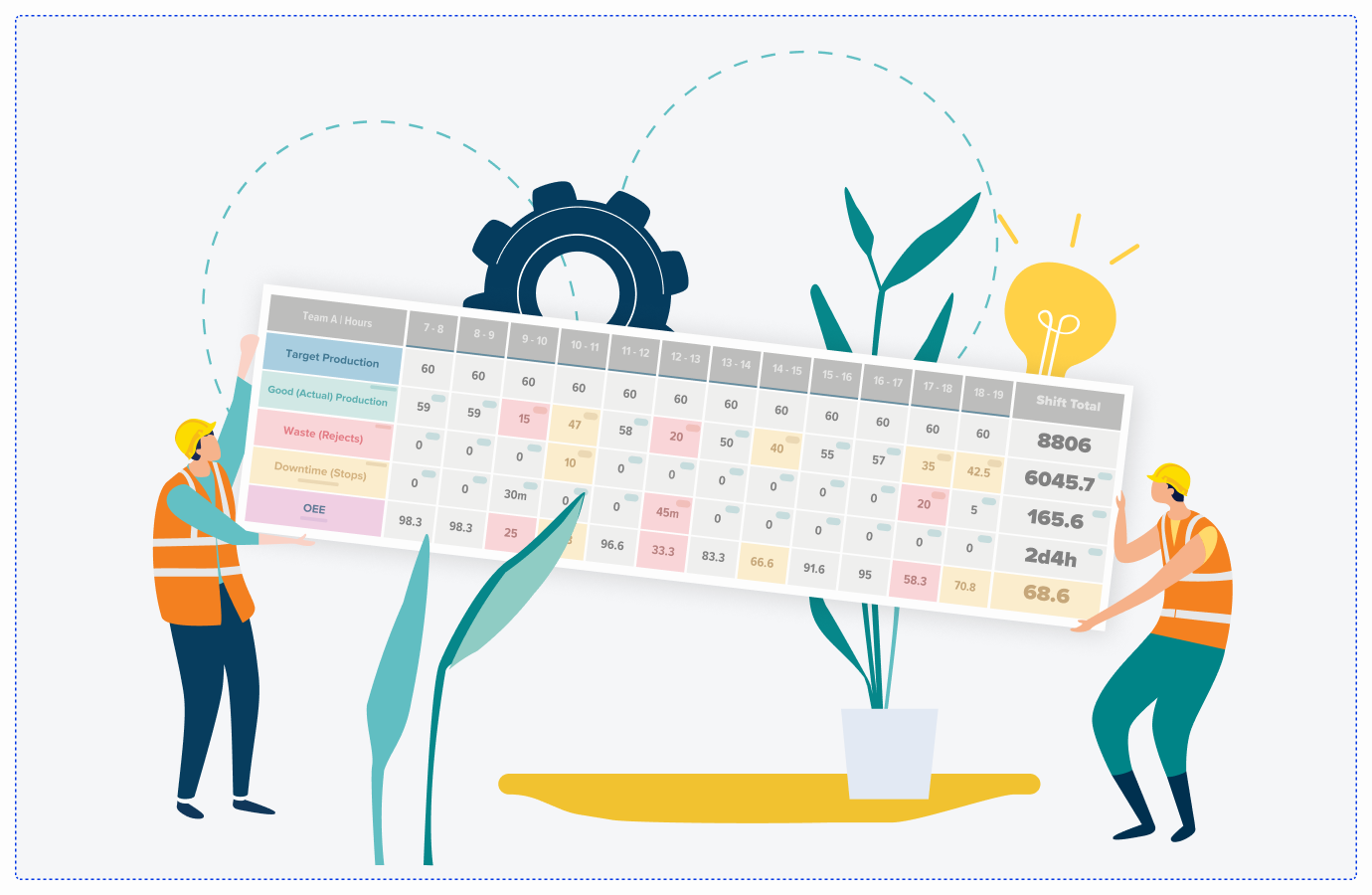
Capacity planning with digital production board
How Does a Modern MES Help Operations Managers Optimize Production Performance?
Modern MES solutions are designed to help operations managers improve production performance by increasing capacity, improving efficiency and reducing downtime, improving product quality, increasing customer satisfaction and employee productivity.
The result? Higher profitability

Shift complete success
Conclusion
In conclusion, the key to smarter capacity planning is modern MES. Modern MES provides a solution by using real-time data, advanced analytics and machine learning to optimize production processes and improve capacity planning. It also helps you make better decisions based on accurate information about your equipment performance, cost per unit and more.
If you're interested in learning more about how modern manufacturing execution systems can help your business maximize its resources while minimizing waste and costs, please contact us today.